Real-Time Safety Monitoring: Protecting Construction Workers with IoT
Construction remains one of the most dangerous industries, accounting for 20% of workplace fatalities. IoT-enabled safety monitoring is changing this reality by detecting hazards before they cause harm and ensuring compliance through continuous environmental awareness.
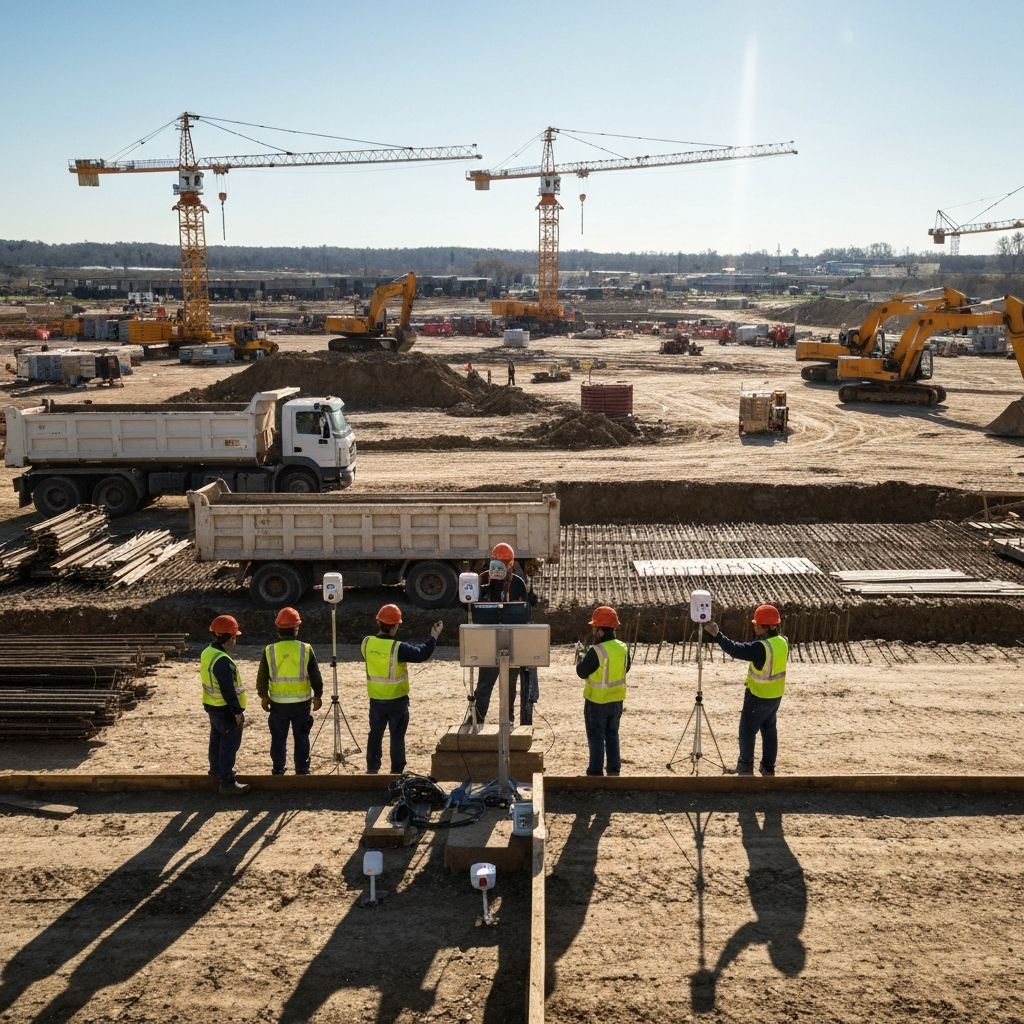
The Hidden Dangers
Many construction hazards are invisible or develop gradually. Workers may not notice deteriorating air quality until they're experiencing symptoms. Heat stress can impair judgment before the affected worker realizes anything is wrong. Structural concerns may only become apparent after it's too late.
Traditional safety management relies on periodic inspections, worker self-reporting, and reactive incident response. IoT monitoring transforms this into proactive hazard prevention.
Comprehensive Hazard Monitoring
A modern construction site safety system monitors multiple hazard categories simultaneously:
Heat Stress
Monitoring: Ambient temperature, humidity, heat index
Action: Mandatory break alerts, hydration reminders, work hour adjustments
Noise Exposure
Monitoring: Decibel levels across zones
Action: PPE compliance alerts, exposure time tracking, quiet zone identification
Air Quality
Monitoring: Dust particles, VOCs, CO levels
Action: Ventilation triggers, mask requirements, evacuation alerts
Structural Risk
Monitoring: Vibration, tilt, load sensors on scaffolding
Action: Immediate evacuation alerts, engineer notifications
Zone Intrusion
Monitoring: Motion detection in restricted areas
Action: Real-time alerts to supervisors, automatic logging
PPE Compliance
Monitoring: Smart helmet connectivity, vest sensors
Action: Non-compliance alerts, entry restriction at checkpoints
Case Study: Metro Tunnel Project
A major metropolitan tunnel construction project deployed Cereb's IoT safety system across 3 kilometers of active worksite. The results after 18 months:
Key Incidents Prevented
- CO buildup detected: Ventilation system malfunction identified through rising CO levels. Workers evacuated 8 minutes before levels would have reached dangerous thresholds.
- Scaffolding stress alert: Vibration sensors detected abnormal load distribution on a 4-story scaffold. Inspection revealed a cracked support beam that was replaced before any collapse risk.
- Heat stress intervention: 47 instances where workers were directed to cooling stations based on environmental conditions and work duration, preventing heat-related illness.
The Technology Stack
Effective construction safety monitoring combines multiple technologies:
- Fixed environmental sensors: Installed throughout the site to monitor ambient conditions continuously
- Wearable devices: Smart helmets, vests, and badges that track individual worker location and vital signs
- Structural monitors: Tilt sensors, strain gauges, and vibration monitors on temporary structures
- Gateway network: Robust wireless infrastructure that works in challenging construction environments
- Central platform: Cloud-based system that aggregates data, runs AI analysis, and coordinates alerts
Alert Escalation
Not all hazards require the same response. The system implements intelligent escalation:
- Awareness: Dashboard indicators and periodic reports for trending conditions
- Advisory: Mobile notifications to supervisors for attention-needed situations
- Warning: Audible alarms and push notifications requiring acknowledgment
- Emergency: Site-wide sirens, automatic notifications to emergency services, evacuation protocols
Compliance and Documentation
Beyond immediate safety, the system provides comprehensive documentation for regulatory compliance:
- Continuous environmental monitoring logs for OSHA compliance
- Worker exposure tracking for noise, dust, and chemical hazards
- Automated incident reports with sensor data correlation
- Training compliance verification through checkpoint systems
- Equipment inspection scheduling and tracking
ROI Beyond Safety
While worker safety is the primary driver, IoT monitoring delivers additional business value:
| Benefit | Value |
|---|---|
| Reduced insurance premiums | 15-25% savings |
| Avoided work stoppages | $50K-500K per incident |
| Faster regulatory approvals | 2-4 weeks saved |
| Worker productivity (reduced downtime) | 8-12% improvement |
| Reputation and contract wins | Immeasurable |
Protect Your Workforce
Learn how Cereb's IoT platform can be customized for construction safety monitoring on your projects.